Publishing Books with Elio Salichs from TwoPoints.Net
Have you ever thought about making a book, but didn’t know where to begin? Maybe you already have an early idea. Maybe there’s simply a subject or an archive you keep coming back to. Elio Salichs from TwoPoints.Net will help you turn that spark into a publishable idea. A published book can open doors a portfolio can’t: teaching invitations, international talks, and higher-value clients.
Upcoming workshop dates
We believe in the power of real-time collaboration, so no recordings—just hands-on learning. Limit: Strictly limited to 15 participants to ensure individual mentoring.
If you have any questions about the course, feel free to email us at franziska@schoolofsystems.org.
Date: Fri, 25 & Sat, 26 September 2026
Time: 14:00-18:00 CEST
Location: Live online, Google Meet
Please note: This workshop will not be recorded.
Language: English
About the workshop:
In this live two-day workshop, Elio Salichs from TwoPoints.Net will help you turn that initial intuition into a focused book idea and test it against some questions that a publication needs to answer.
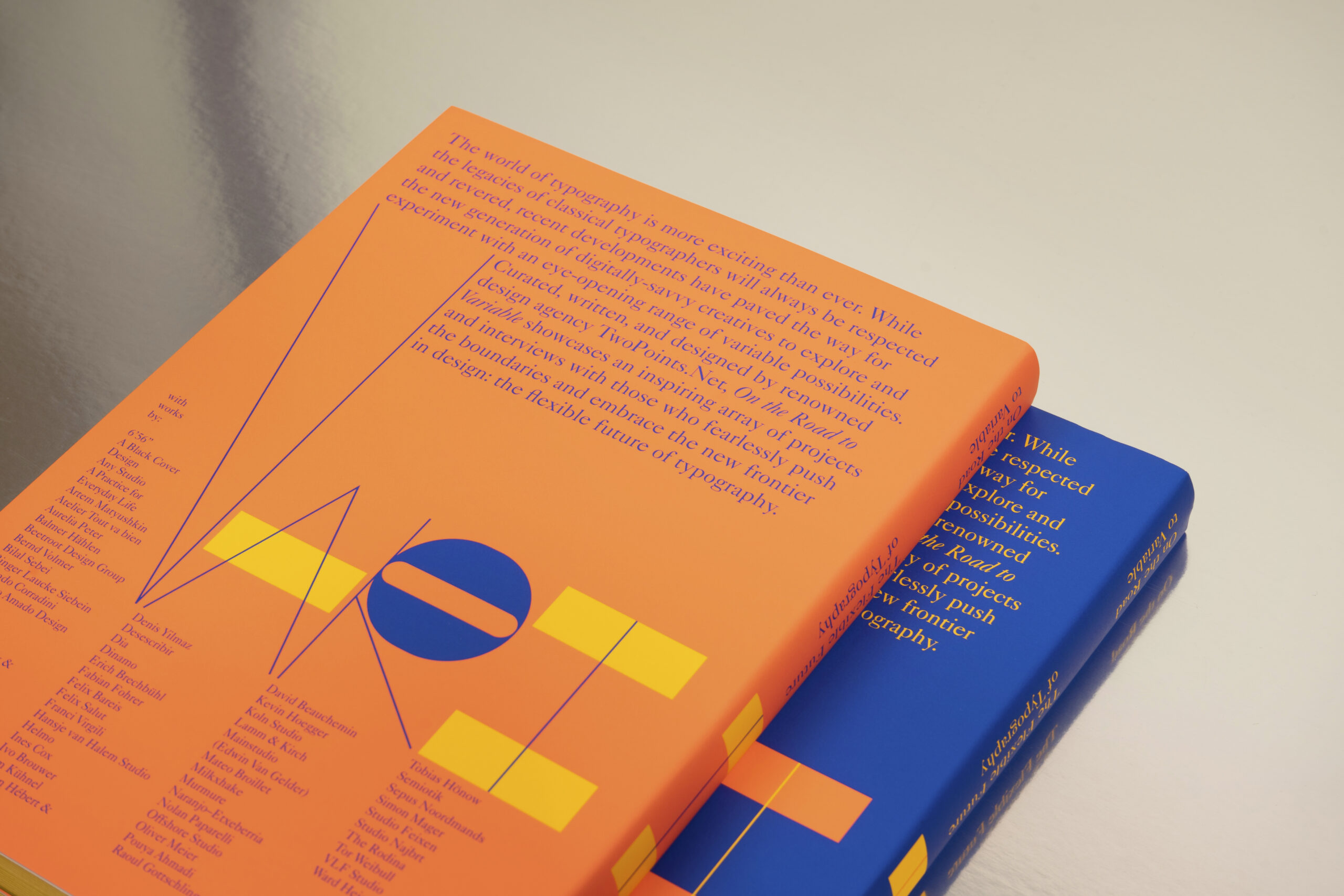
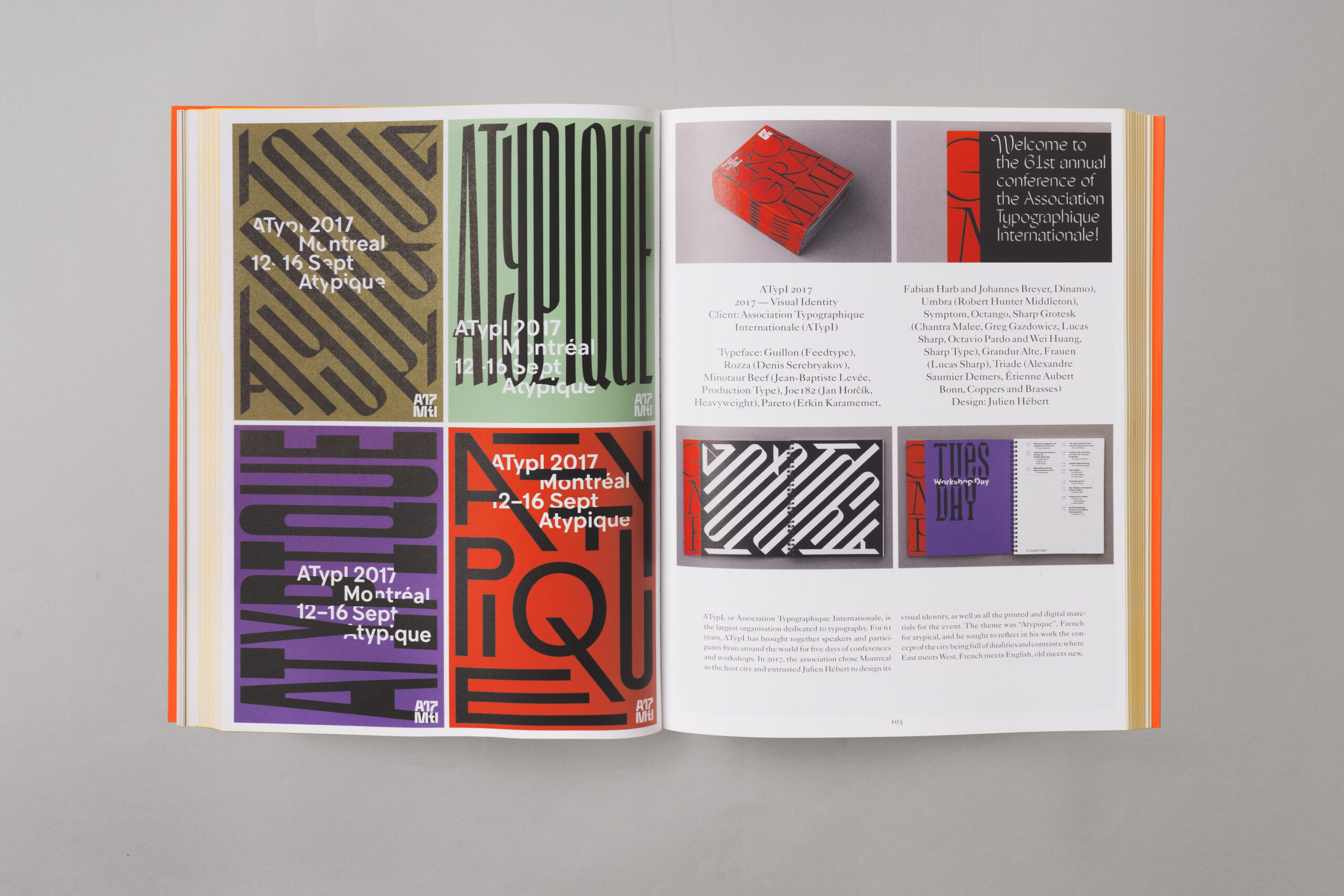
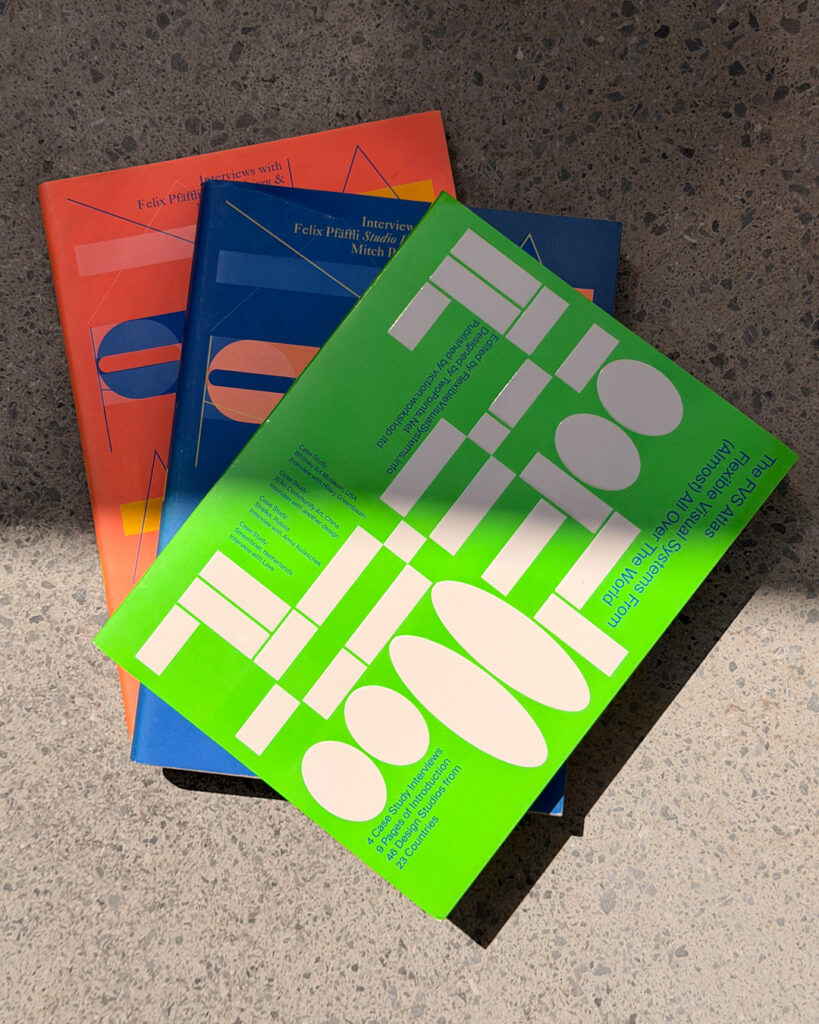
TwoPoints.Net has worked on more than 30 books across design, architecture and art. Drawing on real projects, we will open up the publishing roadmap and look at what happens between the first spark and the finished book. We will then concentrate on the beginning of that journey: finding out what your book could be, why it should exist and what it would need to move it forward.
Day 1: From Intuition to Book Idea
Books rarely begin with a perfectly formed concept. They often start with a curiosity, a body of work, a personal obsession or the feeling that something is missing.
On the first day, we will look at how designers can move from responding to a brief to initiating and shaping an editorial project of their own. Through examples, guided questions and conversation, you will explore where a book idea can come from—and how its content can be found, selected, commissioned and organized around a clear direction.
Day 2: Testing the Idea
On the second day, we will put your idea under pressure. We will look at its audience, relevance, scope and potential. You will consider related books and references, challenge your first assumptions and receive feedback from the group and instructor.
The aim is not to finish a book proposal in two days. It is to establish the foundation that a convincing proposal will eventually need. By the end of the workshop, you will have a more focused and tested idea and editorial decisions still ahead.
You will also gain a clearer sense of the journey ahead—and why a promising idea is only the beginning.
Who is this for? The workshop is open to designers, students and curious creative minds who want to make a book of their own.
You do not need to arrive with a finished idea. You can bring an early concept, several possibilities or simply a subject you want to explore.
Outcome: By the end of this workshop, you’ll be able to recognize a book’s potential drawing on your own interests, knowledge, or creative practice, and test that potential against a set of essential questions. Most importantly, you’ll walk away knowing what feels promising, what still needs work, and what the next stages of developing a publication actually involve.
Required: A laptop, a stable internet connection and a love for books and the desire to bring one of your own into the world.
About Elio:
Elio Salichs is the son of a graphic designer. Driven by a desire to take a different path, he initially studied Humanities at Pompeu Fabra University in Barcelona. Two years later, however, he found himself drawn back to graphic design. He graduated in 1999, completed a Master’s in Advanced Typography, and went on to build a ten-year career as an Art and Creative Director across various studios and agencies. In 2010, he decided to forge his own path. He connected with Martin Lorenz and Lupi Asensio, founders of TwoPoints.net. Since then, he has coordinated and executed projects for the TwoPoints Barcelona office. Alongside his professional practice, he has developed a strong teaching profile in editorial design and visual identity, with a particular focus on flexible visual systems. He has taught, lectured, and led workshops at various schools and universities, with international activity in Spain, Italy, France, Germany, and the Dominican Republic.