Deep Dive Course:
Making Book Ideas A Reality
with Elio Salichs from
TwoPoints.Net
A six-week live mentoring course to develop your book idea into a compelling proposal—connecting research, content and visual direction, and understanding how publishers, contracts, rights and contributors shape what happens next.
14 October – 18 November 2026
Some book ideas begin with a clear concept. Others begin with a subject you cannot stop thinking about, an archive waiting to be explored or a vague intuition that something is missing from the shelf.
Alongside the creative and editorial development of the proposal, the course also addresses the practical publishing questions that emerge around it: how to approach publishers, understand the key terms in real contracts, think through rights and royalties, and manage relationships with contributors.
Across six weekly sessions, you will develop one of those starting points through the different stages of a book proposal—from defining the idea and researching its place in the publishing landscape to building its content, exploring its visual direction and presenting it to a real editor.
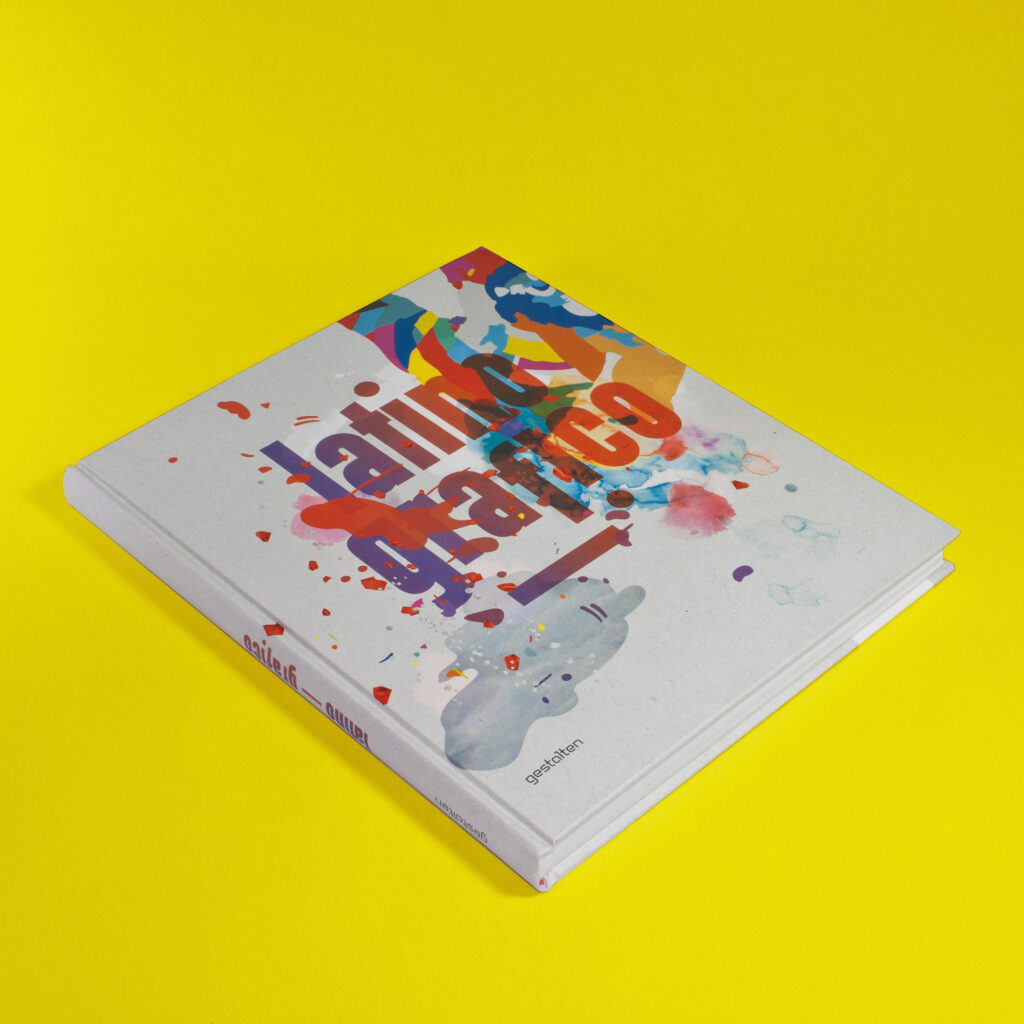
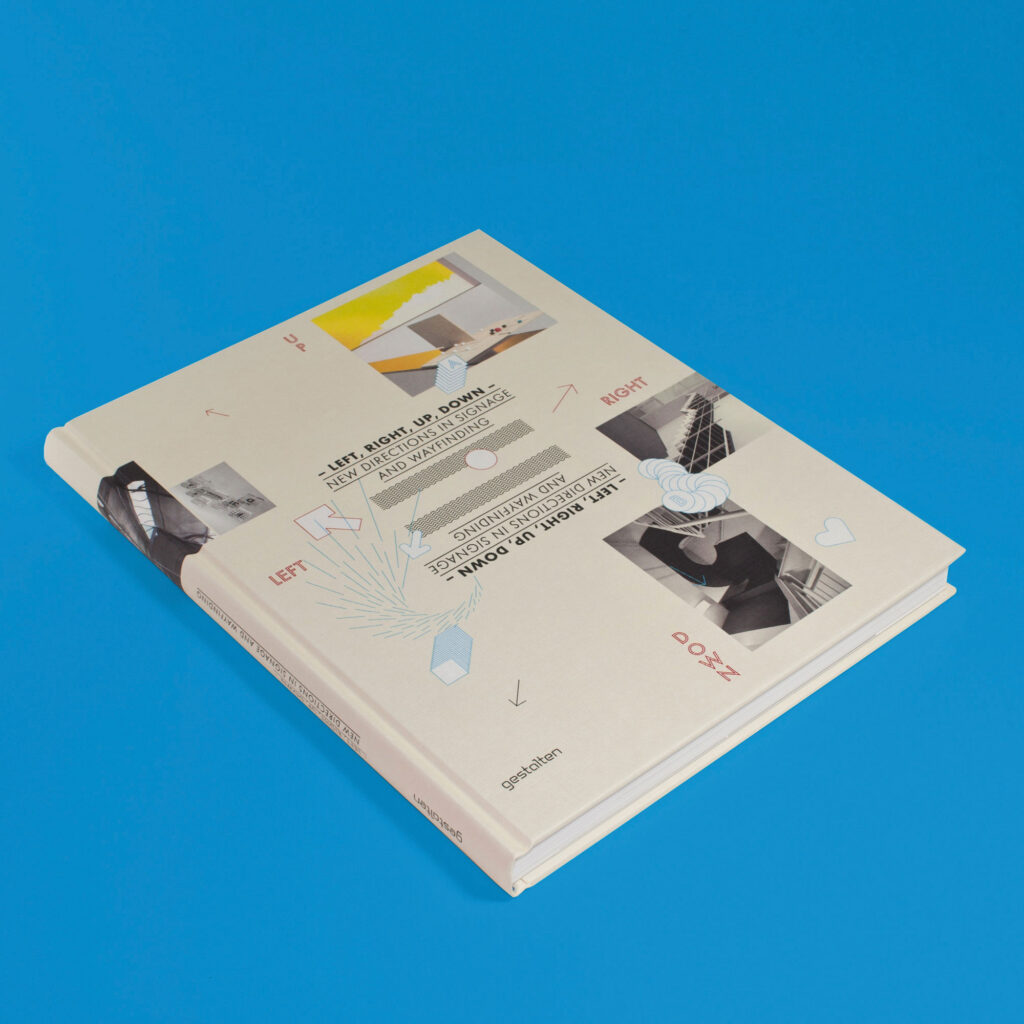
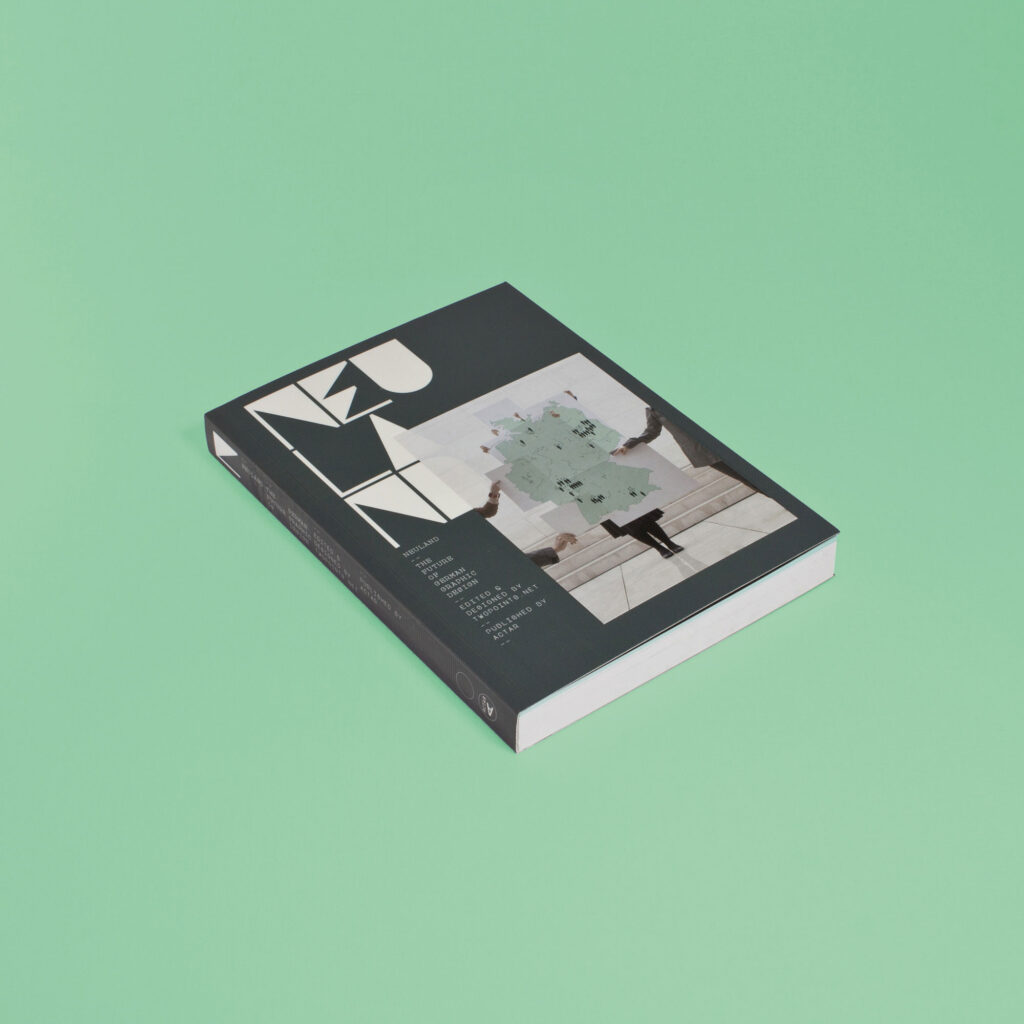
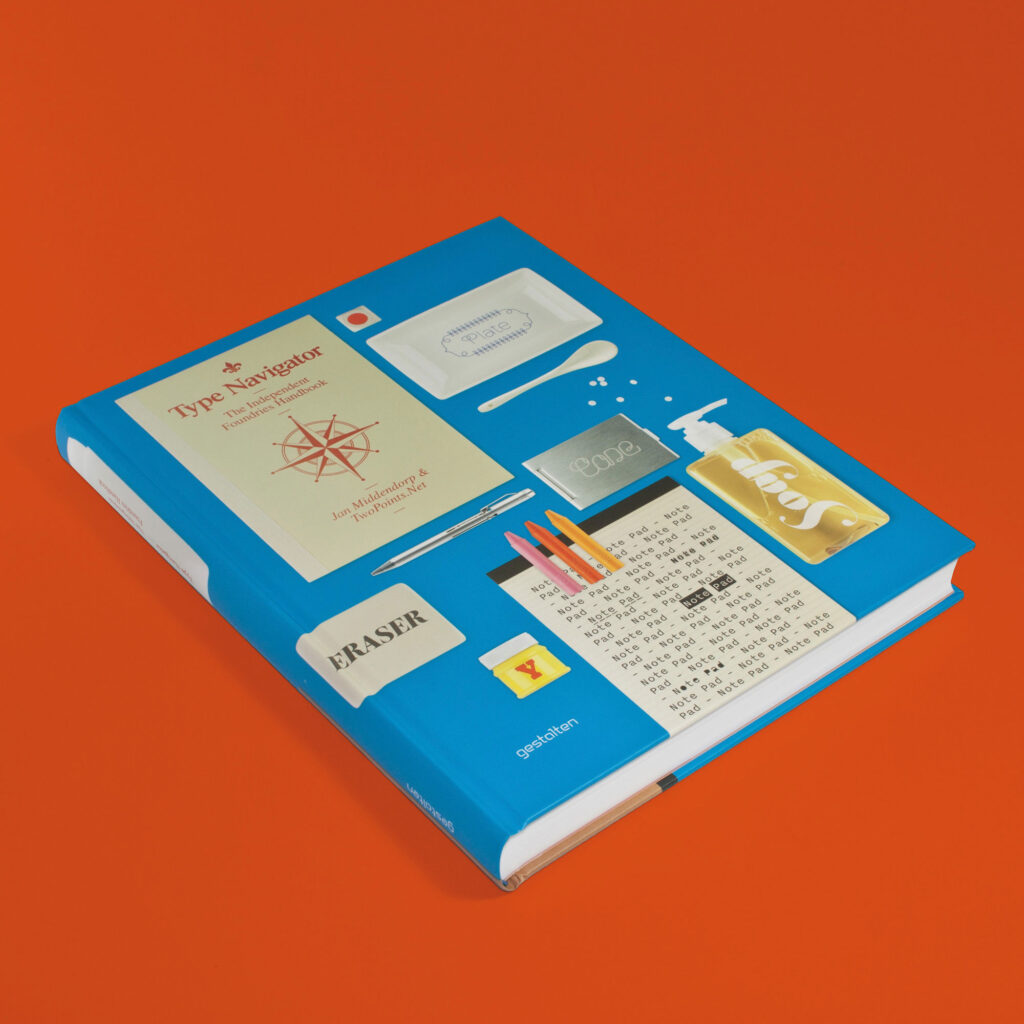
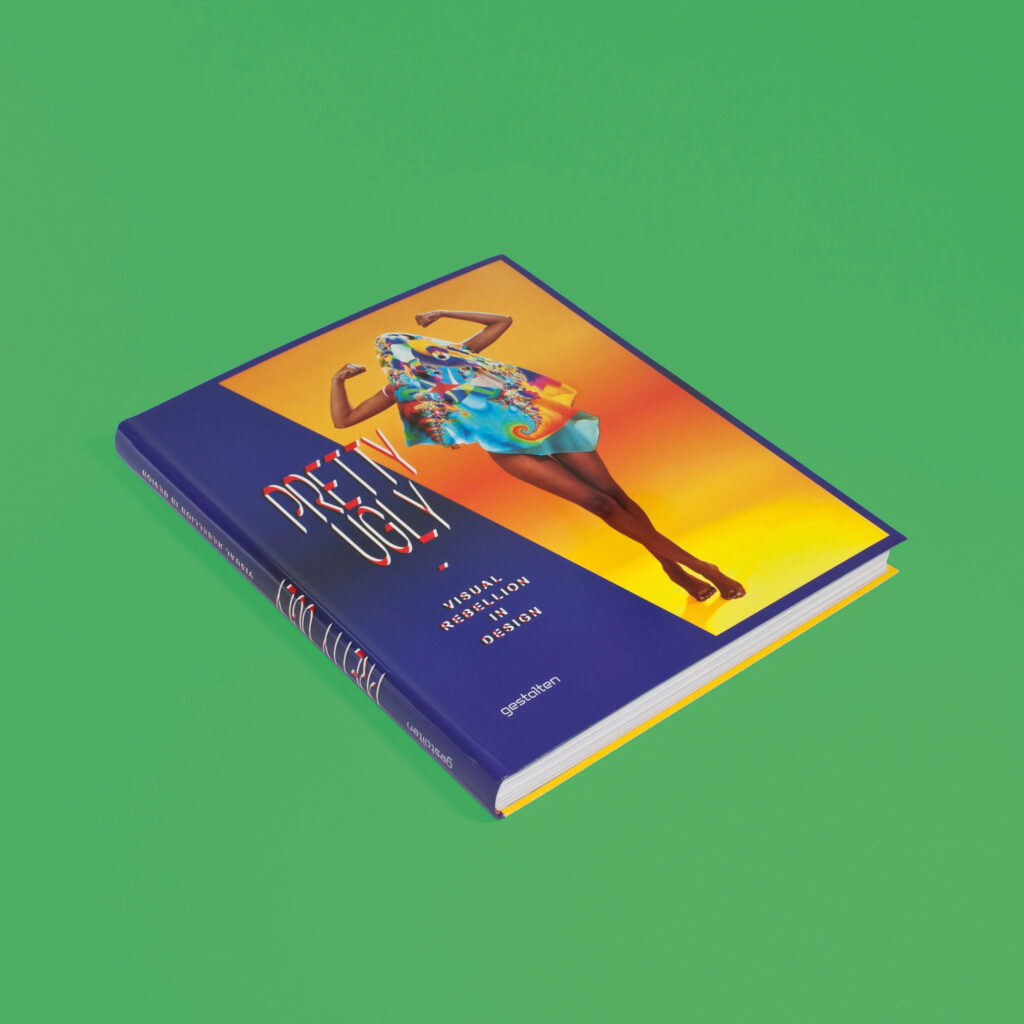
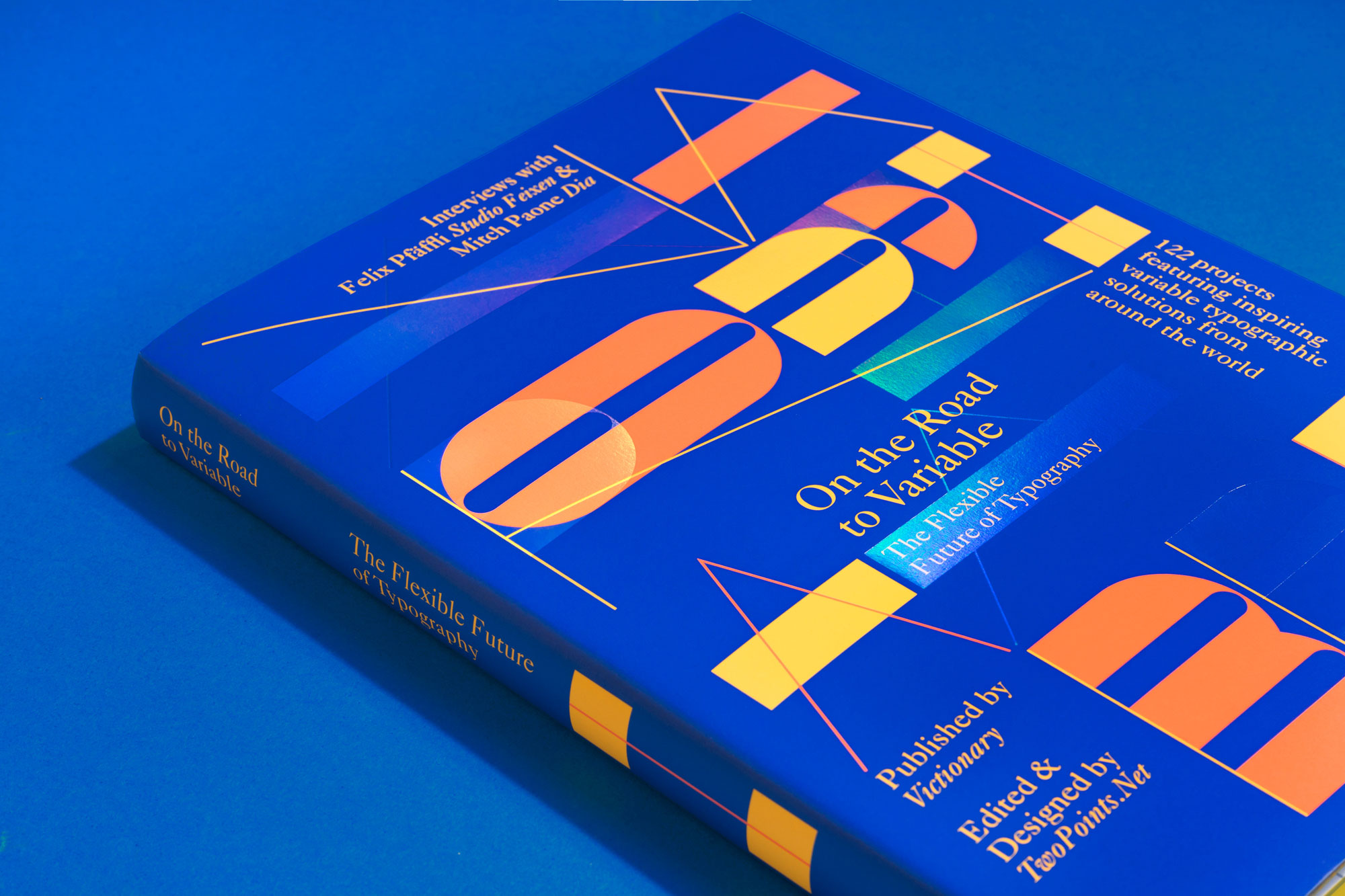
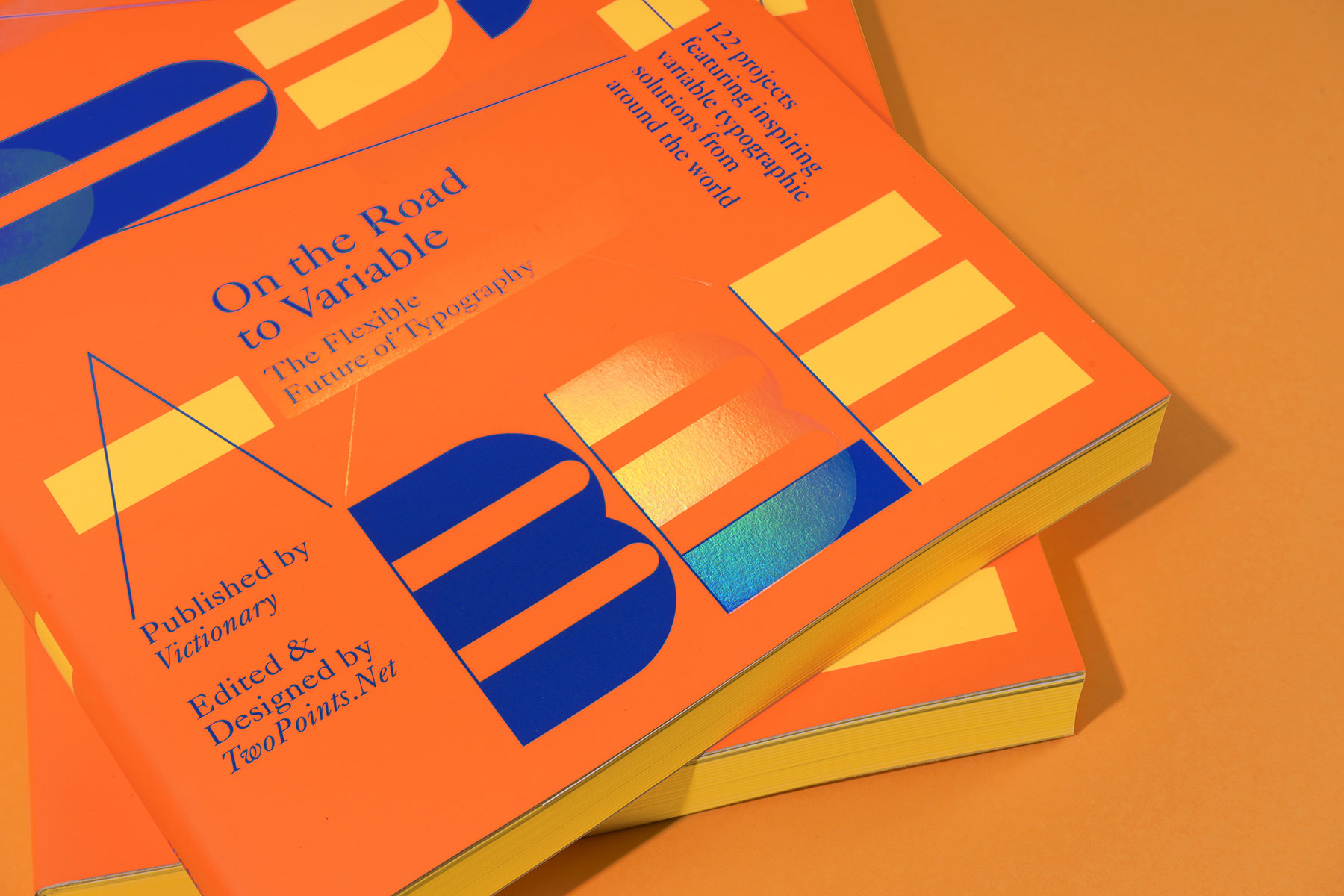
TwoPoints.Net develops self-initiated books from the initial idea and editorial direction through content, design and print-ready artwork, working with publishers such as Slanted and Victionary to bring them into production and distribution.
This course shares that process from inside the studio: the successes, the wrong turns, the reworks and the decisions that helped real projects move forward.
The course combines practical and individual guidance, group feedback and assignments.
Everyone follows the same publishing roadmap while applying it to their own starting point and project. Content and form will develop side by side, with visual thinking running throughout the course.
Session 1: Finding and Defining the Idea
We begin by looking at where a book idea can come from and what gives it enough substance to grow.
You may arrive with a clear concept, several possible directions or only an initial intuition. We will explore what makes the subject meaningful to you, why it could become a book. This first session establishes a shared framework for moving forward, wherever each participant begins.
Session 2: Research and Positioning
A good idea does not exist in isolation.
You will research related books, projects and publishing catalogues to understand where a proposal might belong. You will look at what already exists, what may still be missing. This process will also introduce different publishers and the kinds of projects they choose to support.
Session 3: Building the Book
As the direction becomes clearer, we begin constructing the book from the inside.
We will explore its central argument, content and overall structure. You will consider what material already exists, what still needs to be created and whether the project could involve interviews, contributors or other external sources.
Content, structure and early visual thinking begin to inform one another, making the imagined book progressively more tangible.
Session 4: Shaping the Proposal
A publisher needs to understand both the idea and what the book could become.
You will explore how a proposal can communicate the character and potential of a future book through writing, references, sample pages and mockups. The focus is not on designing every page. It is on finding the right relationship between content and form. This visual and editorial development will continue as the proposal evolves throughout the remaining sessions.
Session 5: Publishers, Contracts and Contributors
Through real examples from TwoPoints.Net’s experience, we will look at how publishers are approached and what happens when a proposal enters a more formal conversation.
We will examine real publishing contracts and the practical questions they raise around scope, rights, royalties, reprints and responsibilities. We will also discuss how contributors are identified, contacted, commissioned and followed up throughout a project.
Session 6: Editor Review with Slanted
The course concludes by putting the projects in front of a professional editor from Slanted.
Participants will present the direction their proposal has and receive feedback from a real publishing perspective: what feels clear, what raises questions and what could be reconsidered or developed further. The review offers an external perspective on each project and helps participants identify the next steps after the course.

Who will be your teacher?

Elio Salichs is the son of a graphic designer. Driven by a desire to do something different, he initially studied Humanities at Pompeu Fabra University in Barcelona. However, two years later, he found himself studying graphic design. Graduating in 1999, he completed a Master’s in Advanced Typography and built a ten-year career as an Art and Creative Director across various studios and agencies. In 2010, he decided to forge his own path; it was during the Design Werkstatt courses that he connected with Martin Lorenz and Lupi Asensio (founders of TwoPoints.net). Since then, he has coordinated and executed projects for TwoPoints.Net Barcelona’s office. In parallel with his professional practice, he has built a solid teaching profile focused on editorial design and visual identity, with a particular focus on flexible visual systems. He has taught and delivered talks and workshops at different schools and universities, with international activity in Spain, Italy, France, Germany, and the Dominican Republic.
Is this a course for you?
For whom is the course:
This Deep Dive is for designers and creatives who want to move beyond working only as service providers and take responsibility for content of their own.
You do not need to have attended the workshop or arrive with a finished concept. You can bring an existing idea, an intuition or several possible directions. This is not a software tutorial or a course about laying out an entire book. It is for people ready to develop an editorial project, work on it and discover how far it can go.
What is required:
You’ll need a layout software like Adobe InDesign or Affinity. … and a love for books. 🙂
What will you learn:
You will learn how the different parts of a book proposal connect: the initial idea, its context and positioning, the architecture of its content and the visual decisions that allow others to imagine the book. You will also gain a practical understanding of approaching publishers, reading the key terms of a contract, thinking through rights and royalties, and organising work with contributors.
Across the six weeks, the aim is to help you move your project forward with stronger criteria, useful feedback and a clearer understanding of the road ahead.
Course Details
6 weeks
Weekly live sessions
2.5 hours each week, online, live & interactive, not pre-recorded
Small cohort
(10-15 participants) for real dialogue and feedback
Language:
English
Tools:
Adobe InDesign or Affinity, Google Meet
Assignments
between sessions
Recordings are generally not available.
We believe learning happens through presence and interaction, not passive watching.
Sign up!
799 € + VAT
Includes all live sessions, exercises, and digital course materials.
14 October – 18 November 2026
Dates
Wednesday, 14 October 2026
Wednesday, 21 October 2026
Wednesday, 28 October 2026
Wednesday, 4 November 2026
Wednesday, 11 November 2026
Wednesday, 18 November 2026
Time
15:00–17:30 CE(S)T
If you have any questions about the course, feel free to email us at franziska@schoolofsystems.org.
«A book is a means for research and learning more about topics you’re interested in, and expanding your global networking.»
Elio