Turning Figma into a FVS machine with Ricardo Lodroño
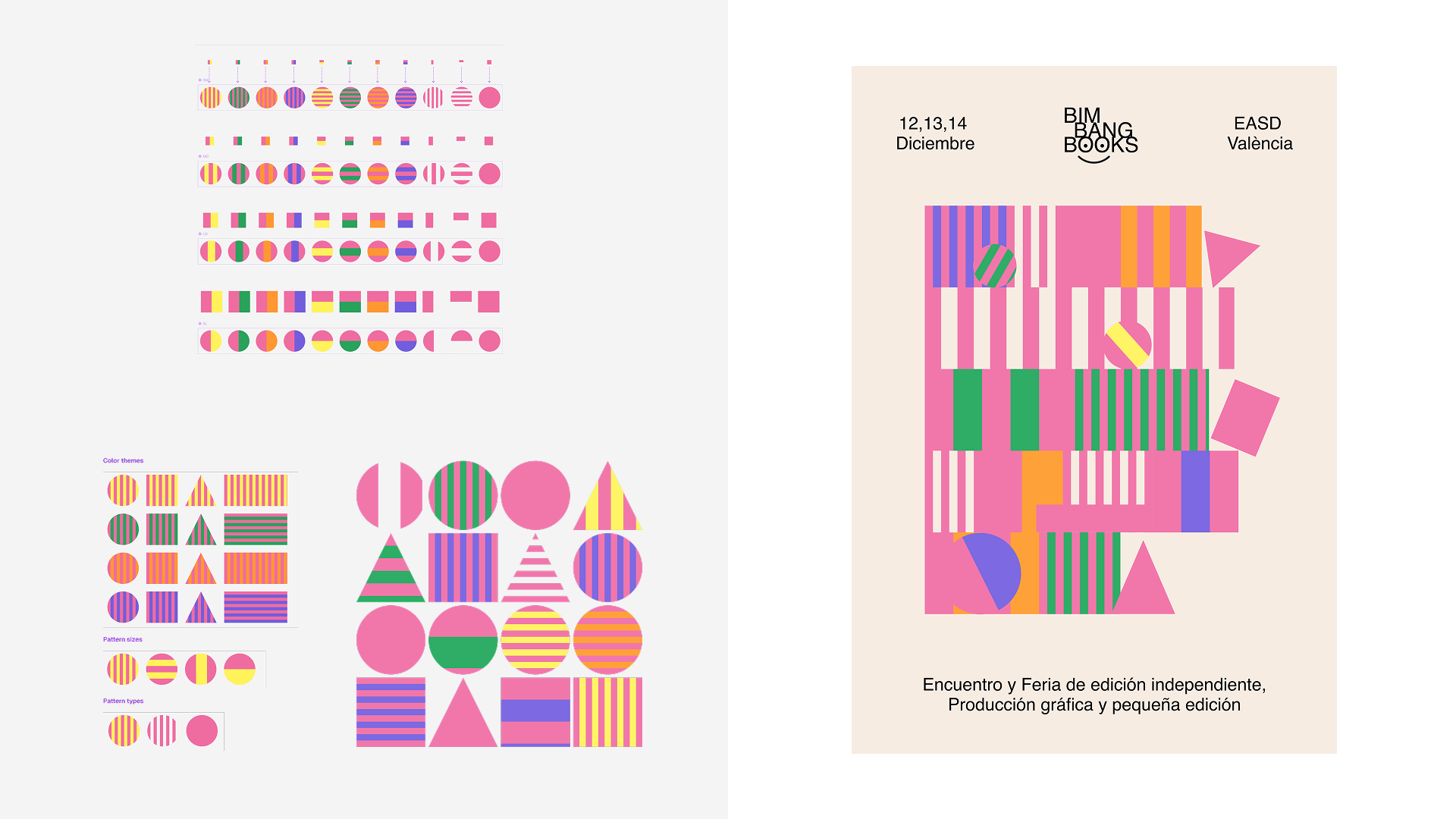
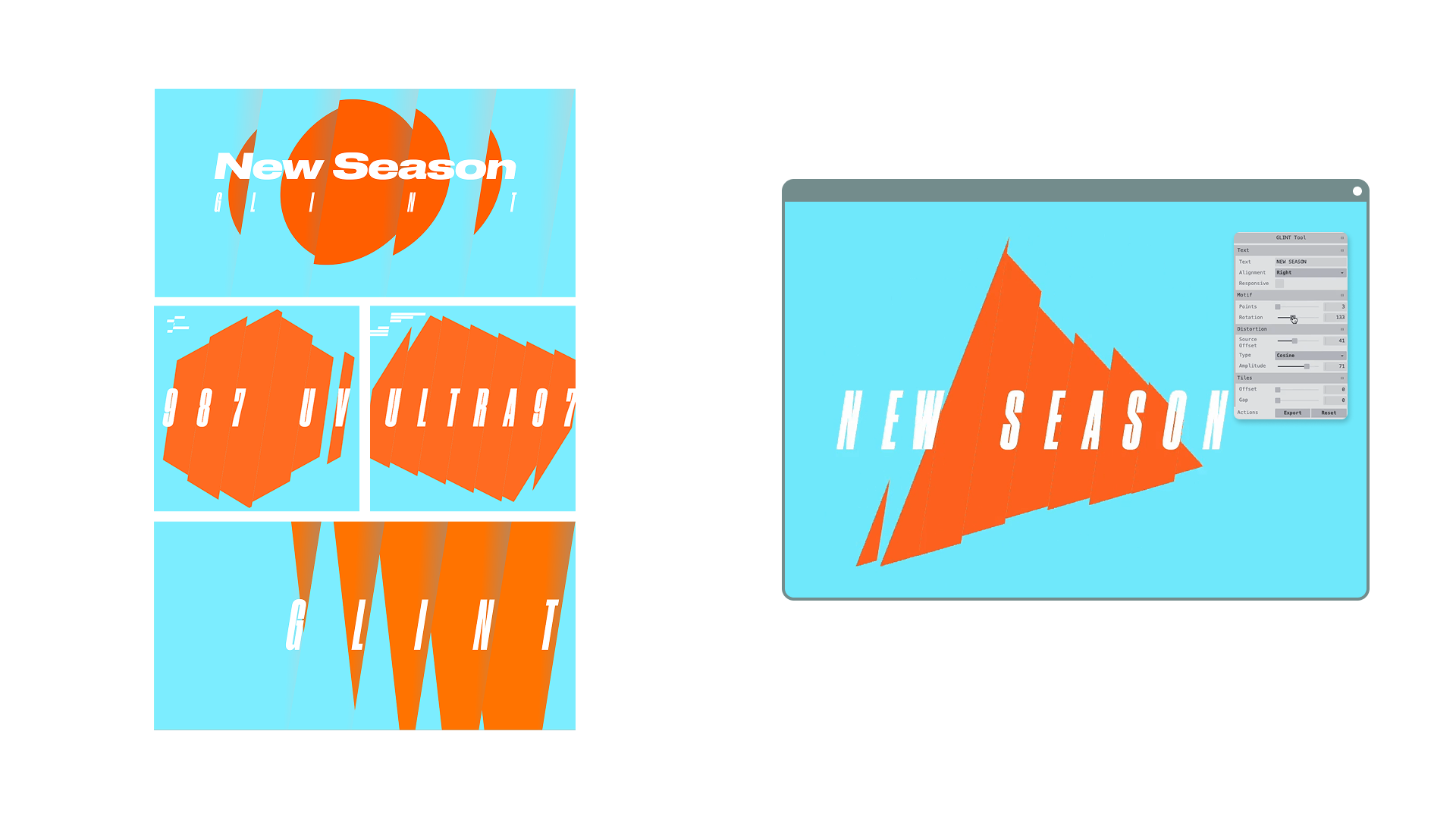
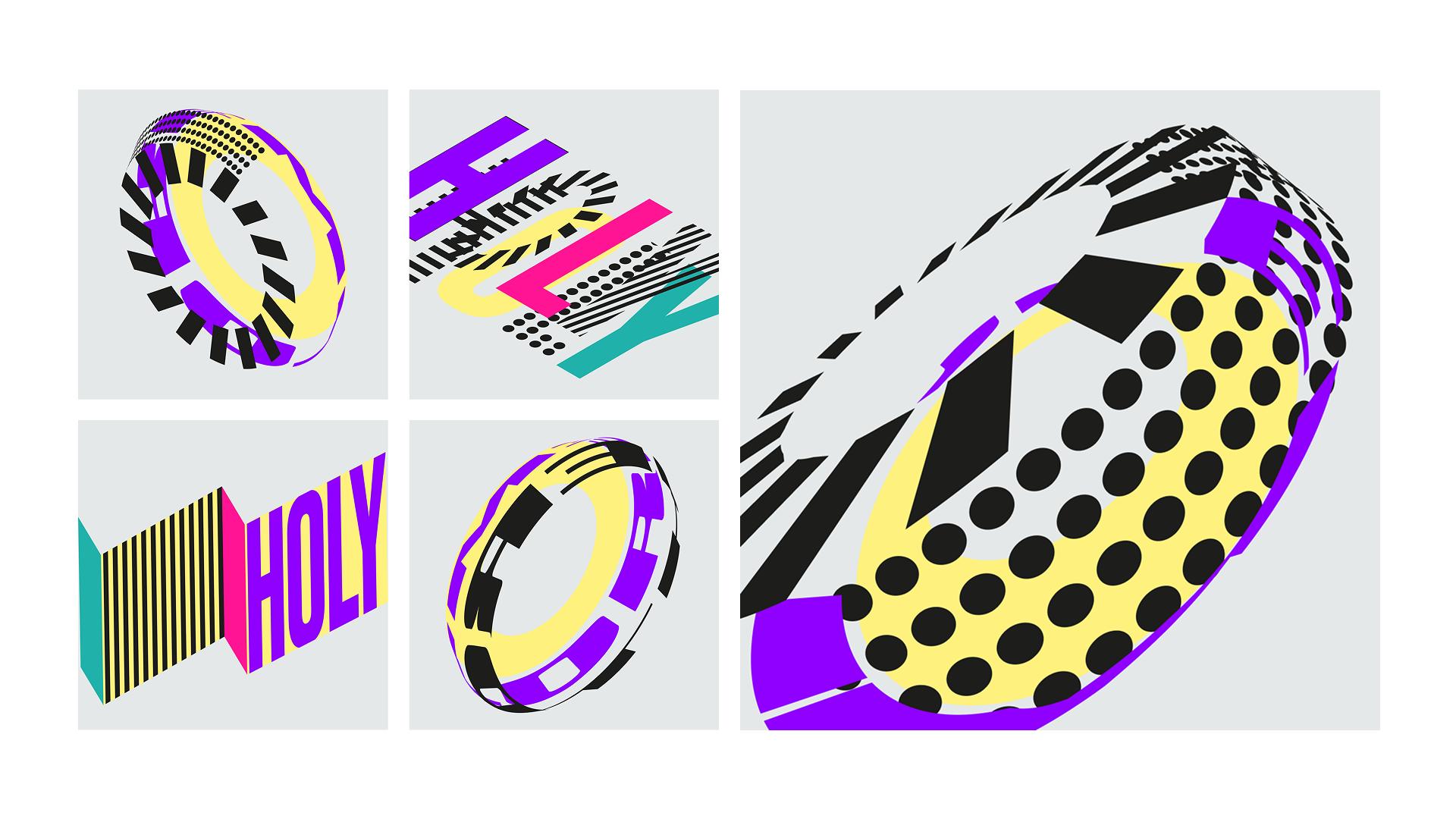
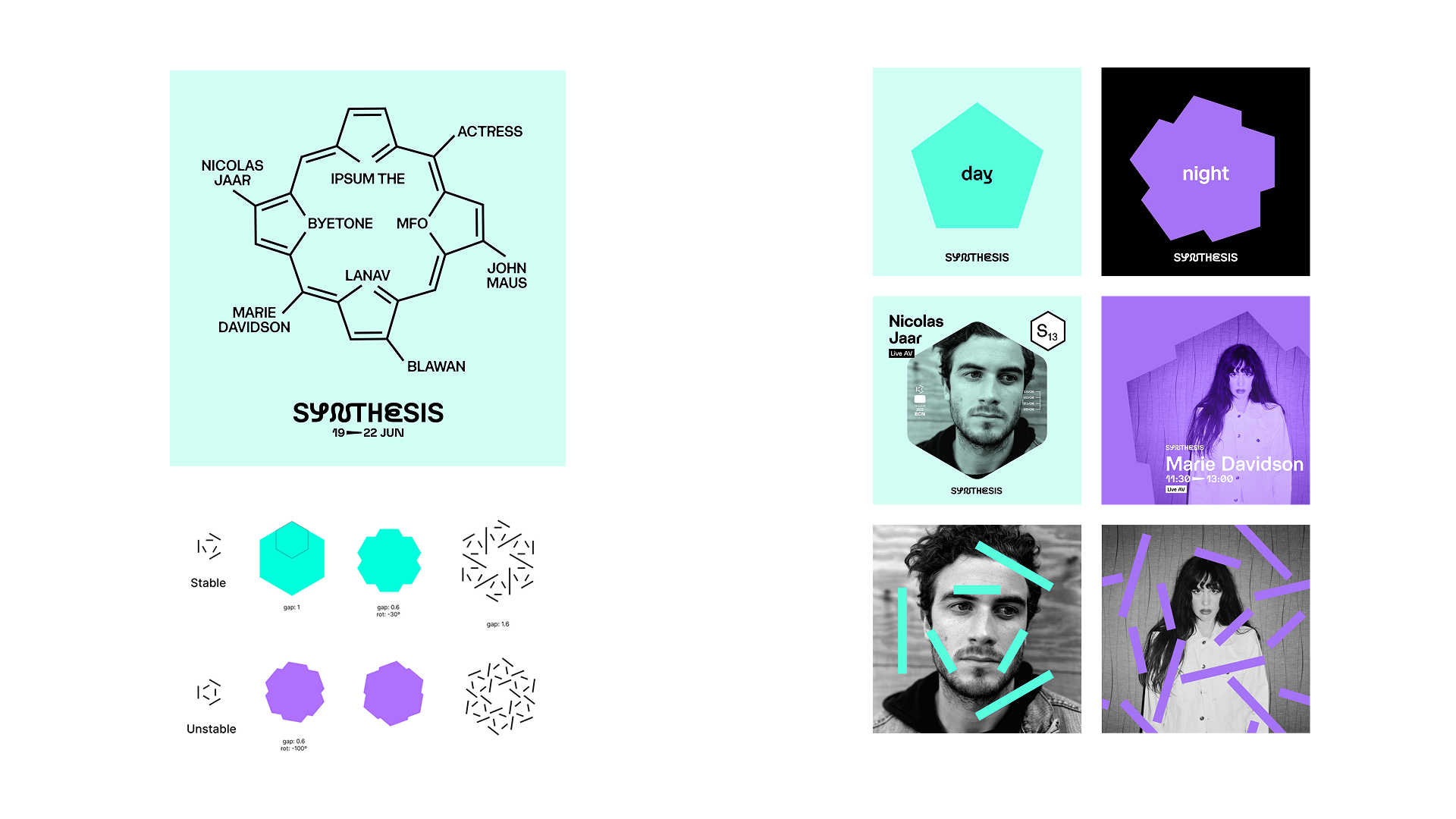
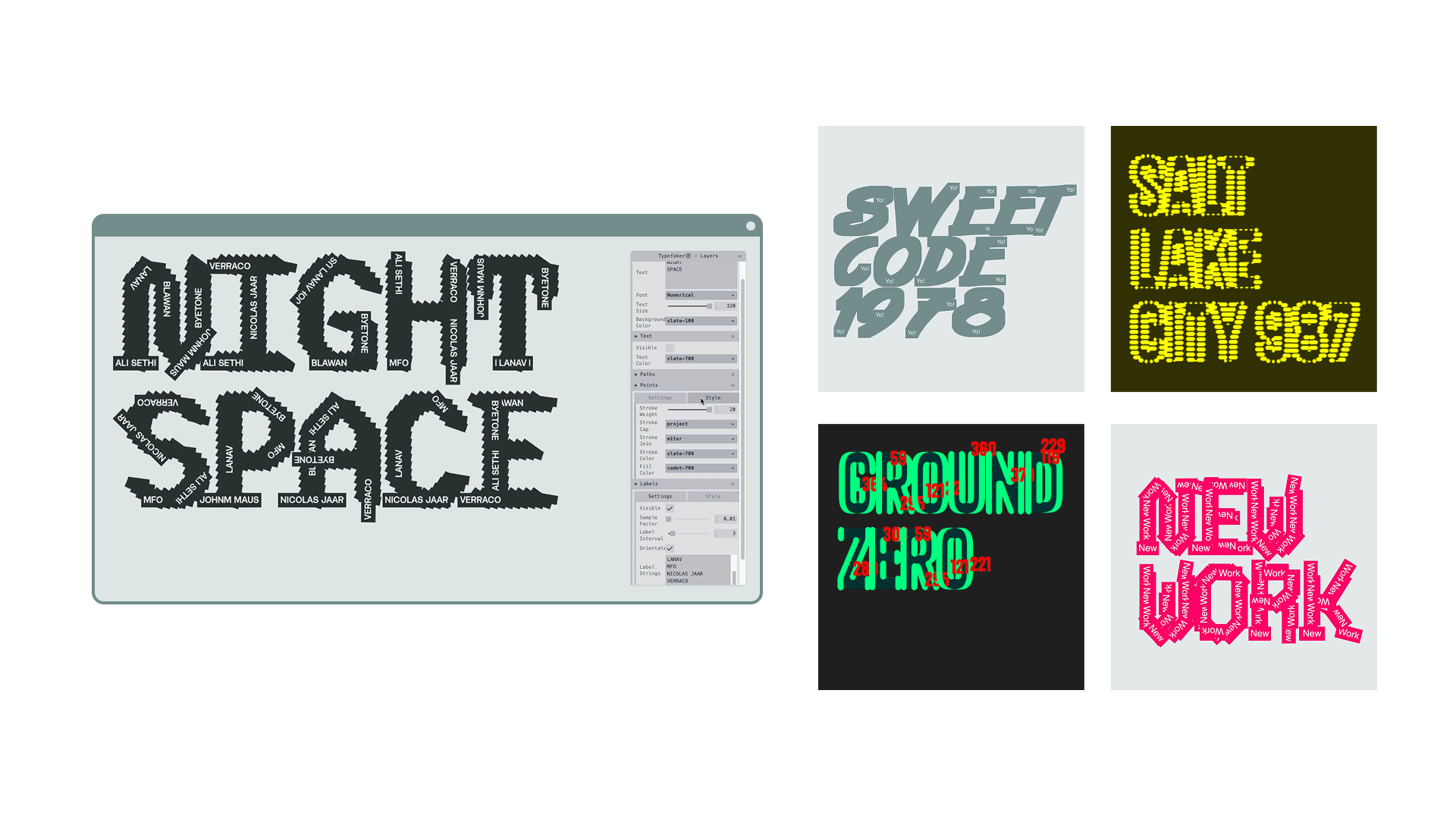
Using Figma to design Flexible Visual Systems (FVS) is a real superpower. FVS and Figma expert Ricardo Lodroño has developed a powerful workflow that harnesses the full potential of Figma’s tools to create stunning visual identities. In this workshop, he gives you a first glimpse of these amazing possibilities.
Upcoming workshop dates
Choose the session that fits your schedule. Live & online. We believe in the power of real-time collaboration, so no recordings—just hands-on learning. Limit: Strictly limited to 15 participants to ensure individual mentoring.
If you have any questions about the course, feel free to email us at franziska@schoolofsystems.org.
Price: 250€ + VAT
Location: Live online, Google Meet
Please note: This workshop will not be recorded.
Language: English
April Session
Date: Fri, 24 & Sat, 25 April 2026
Time: 14:00–17:00 CEST
September Session
Date: Fri, 4 & Sat, 5 September 2026
Time: 14:00-17:00 CEST
About the workshop:
This two-day workshop introduces Figma as a platform for building visual systems, designed for graphic designers who create flexible brand and identity languages rather than isolated deliverables.
Day 1:
Designing the Engine:
From Form to System
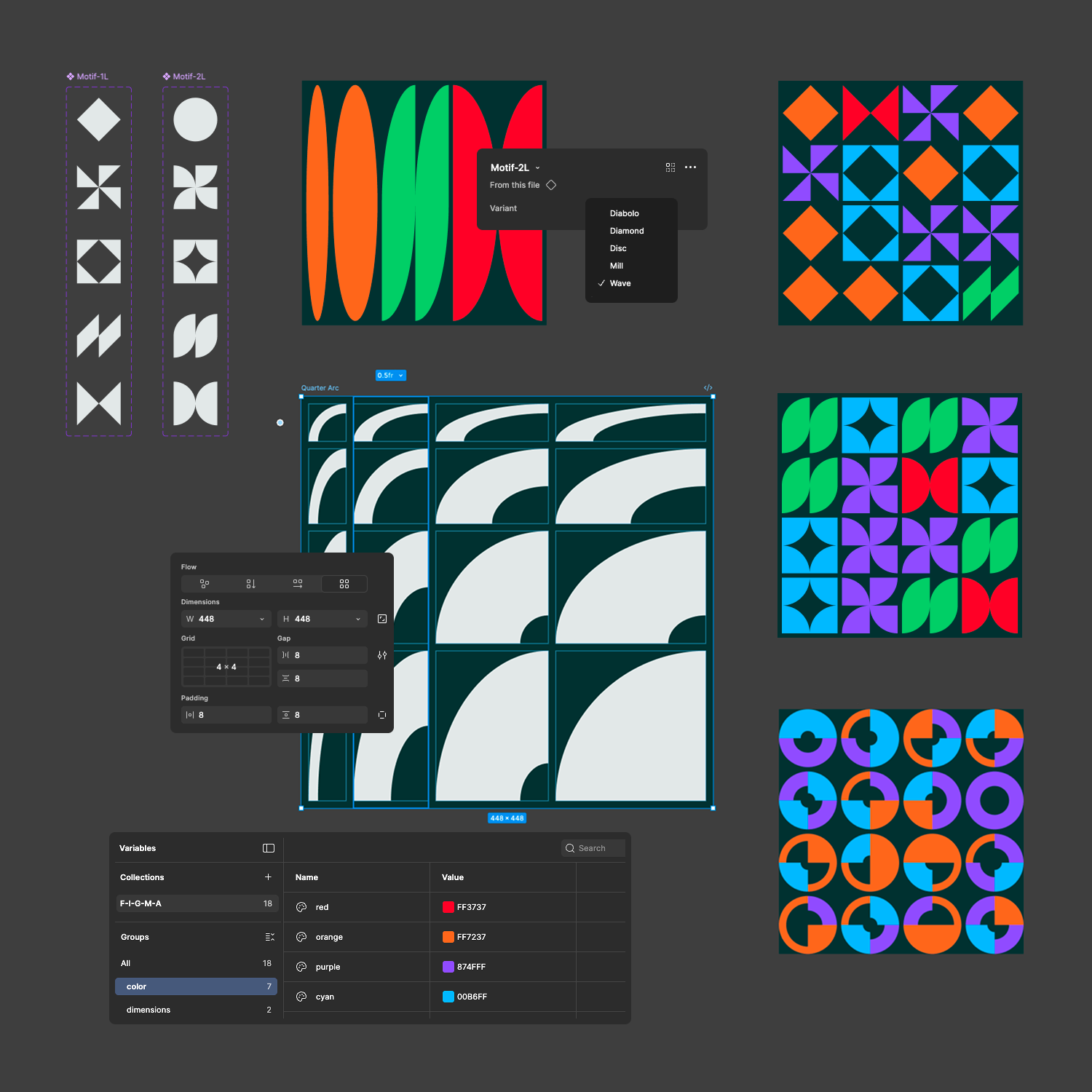
In this hands-on session, participants will build a simple visual system from scratch following the CAA Method (Components → Assets → Applications). Starting from a simple form-based logic, we will design modular components and explore how controlled variation can be achieved using component variants and basic styles and variables. The focus is on understanding how a system is constructed – defining what can change, what must remain constant, and how visual elements relate to one another. We will use Figma’s core tools –shapes, typography, basic variables and styles, components with variants, and flexible layouts– to transform simple elements into a structured set of visual assets.
Day 2:
Making the System Work:
Application, Behavior & Distribution
In the second session, participants will apply the visual system to real formats and test its flexibility using freeform layouts and Auto Layout. We will explore how assets behave when resized, recombined, or scaled, and how our system can generate diverse outputs. To close the workshop, a short lecture/demo will present a more advanced implementation of the same logic –introducing variables with modes, component properties, and ways to prepare the system for distribution– offering a glimpse into deeper systematization possibilities.
Workshops are open to students, professionals, and curious creative minds of all ages and experience levels.
Outcome: Participants will learn to use Figma to build structured, flexible visual systems—from simple forms to modular components, variables, and styles—and to apply, test, and prepare those systems for real-world brand applications and distribution.
Required: You need to have a (free or pro) Figma account. No prior knowledge of Figma or Flexible Visual Systems is necessary, but appreciated.
About Ricardo:
Ricardo Lodroño is a graphic designer and creative technologist working at the intersection of visual design, systems thinking, and code. His practice focuses on visual identities and brand systems conceived as flexible frameworks, combining strong graphic foundations with parametrization, component-based thinking, and rule-driven design.
With a background spanning graphic design, creative coding, and front-end development, Ricardo is particularly interested in how methodologies from software development—such as abstraction, reuse, and scalability—can inform contemporary graphic design workflows without sacrificing expressiveness or visual intent.
Alongside his professional practice, he is deeply engaged in research, self-directed learning, and teaching on flexible visual systems, design tools, and the evolving role of the hybrid designer.