Deep Dive Course:
Turning Figma into a FVS machine
with Ricardo Lodroño
A six-week live course on how to turn Figma into a generative design partner, saving you time and giving you more flexibility and control.
Starting in May and October 2026.
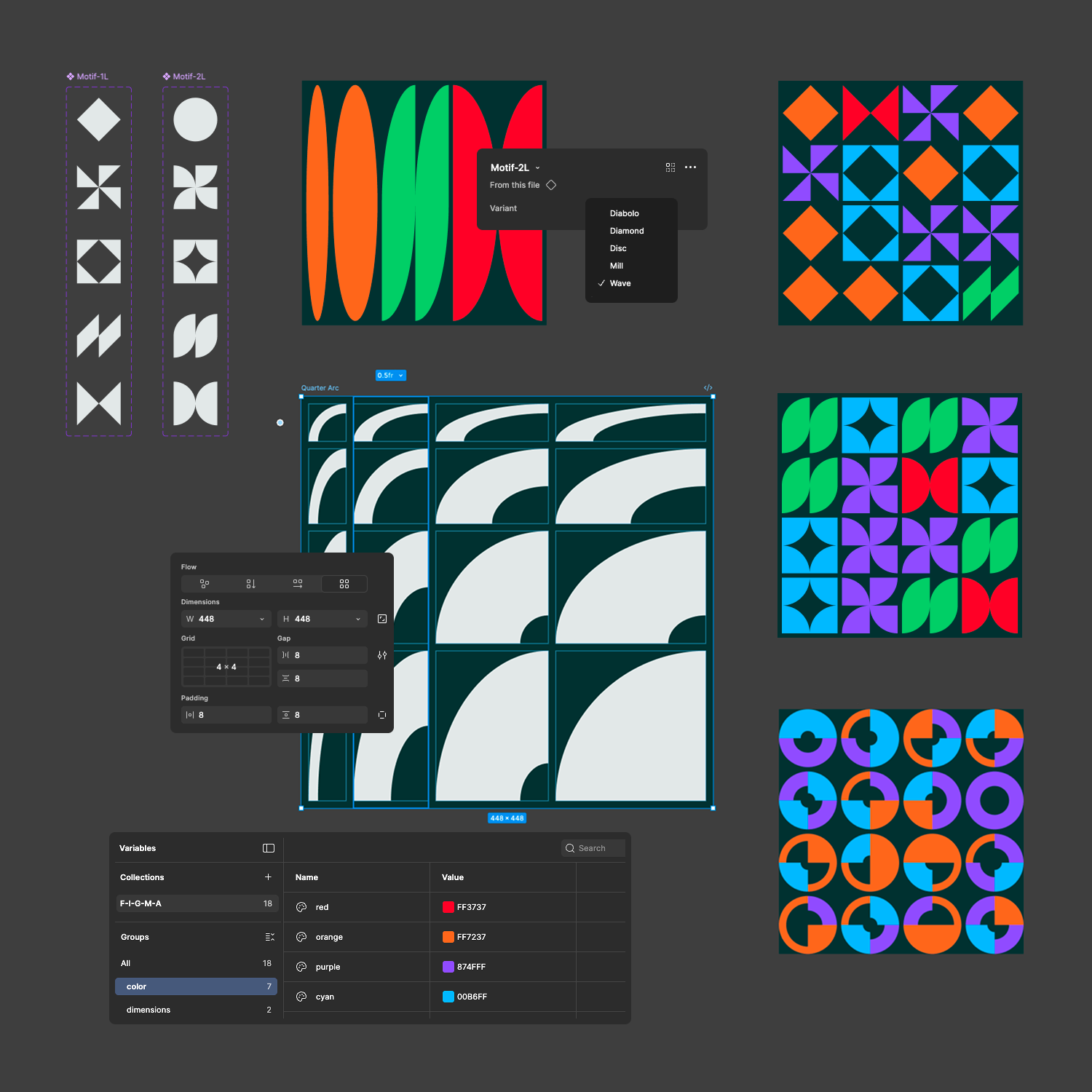
This course introduces Figma as an environment for building visual systems, aimed at graphic designers working with flexible brand and identity languages rather than isolated deliverables.
Instead of learning Figma feature by feature, participants will develop a system-based design mindset: learning how to translate visual decisions into parameters encoded as reusable components and rules, generating consistent yet adaptable outcomes across formats.
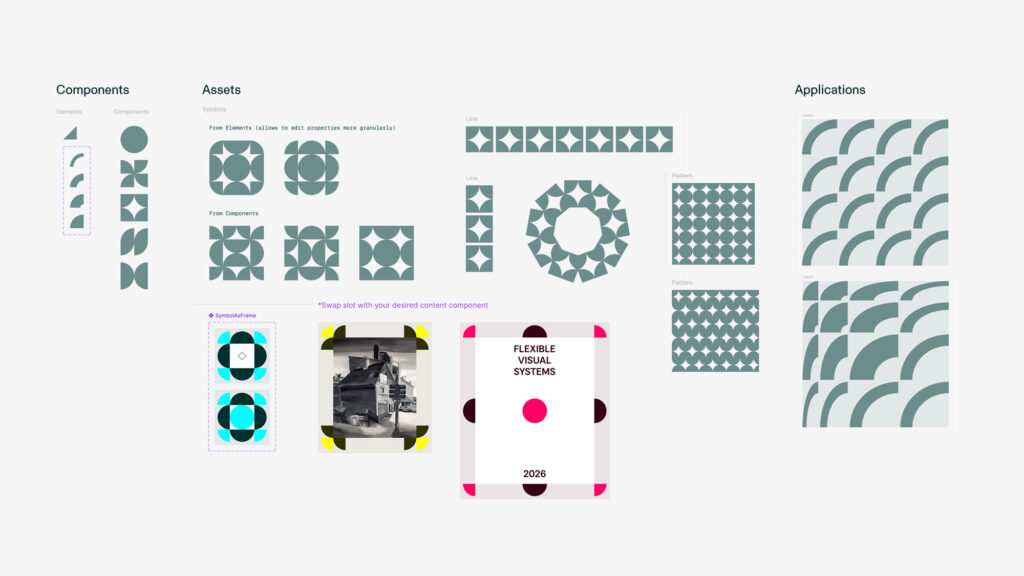
The course is grounded in the CAA Method (Components → Assets → Applications) developed by Martin Lorenz, and focuses on translating its conceptual principles into concrete workflows using Figma’s variable system, components, and flexible layout behaviors.
Across six sessions, participants will design a visual system and apply it to different formats –using Figma not as a layout or UI tool, but as a parametric engine for graphic design systems.
Session 1:
Figma as a System-Building Environment
Reframing Figma as a shared, rule-based environment for building visual systems.
Session 2:
Visual Structure & Flexible Layouts
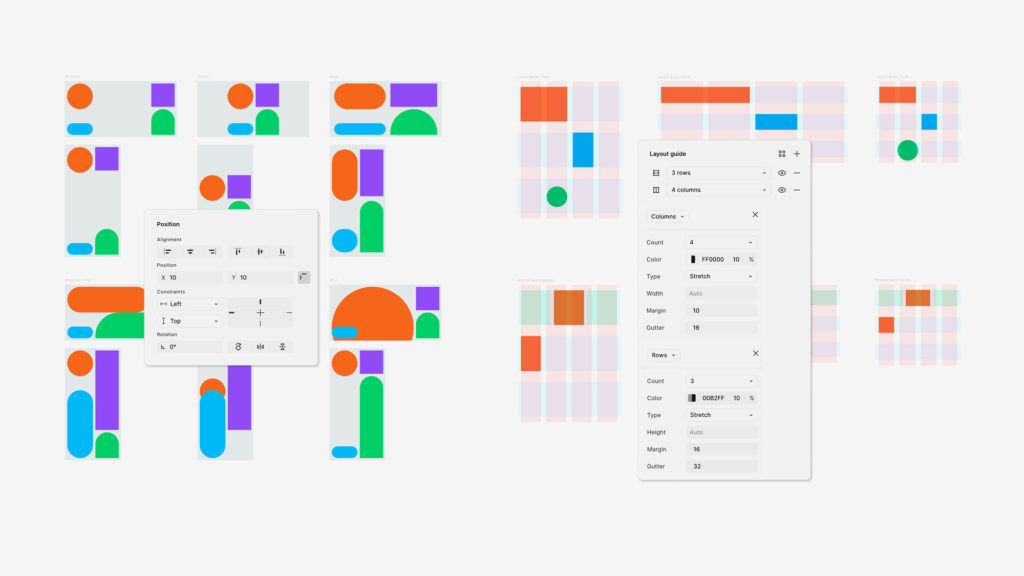
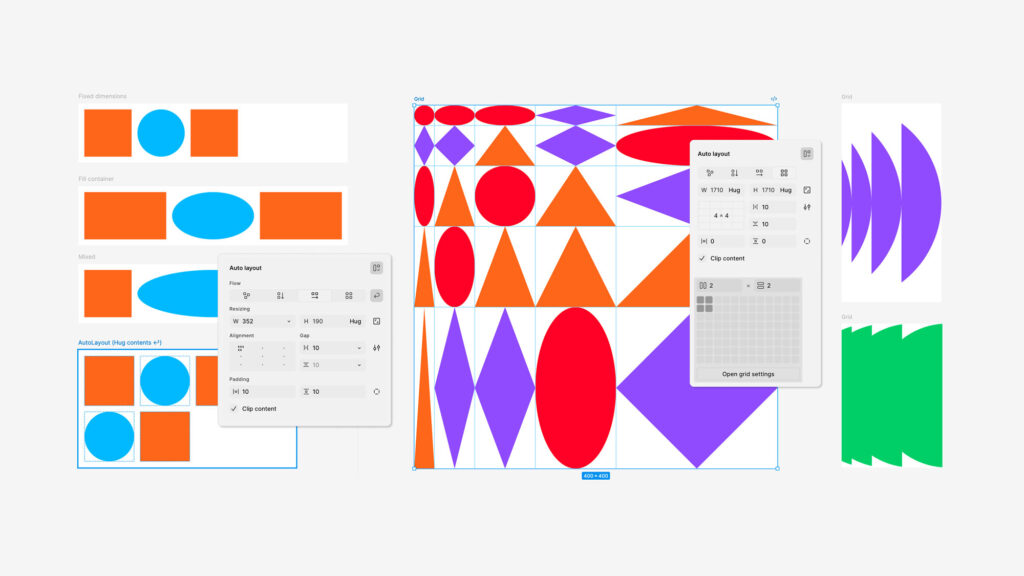
Understanding layout as behavior, not static arrangement: how visual elements respond to space, content, and constraints.
Session 3:
Parametrization
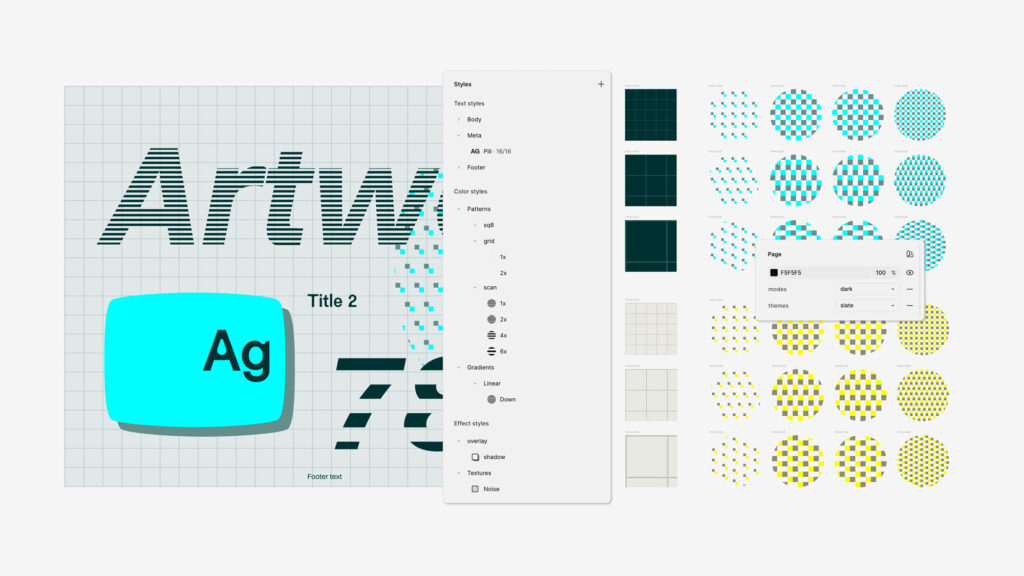
Turning design decisions into variables. How to externalize color, typography, spacing, and behavior into a controllable system.
Session 4:
Systematization
Building reusable, combinable components that behave like a visual grammar.
Session 5:
Building a Visual System (CAA Method)
Core practical session where participants build a flexible visual system following the CAA Method by Martin Lorenz, implemented in Figma.
Session 6:
Distribution and Use
Making the system usable by others and testing its limits.
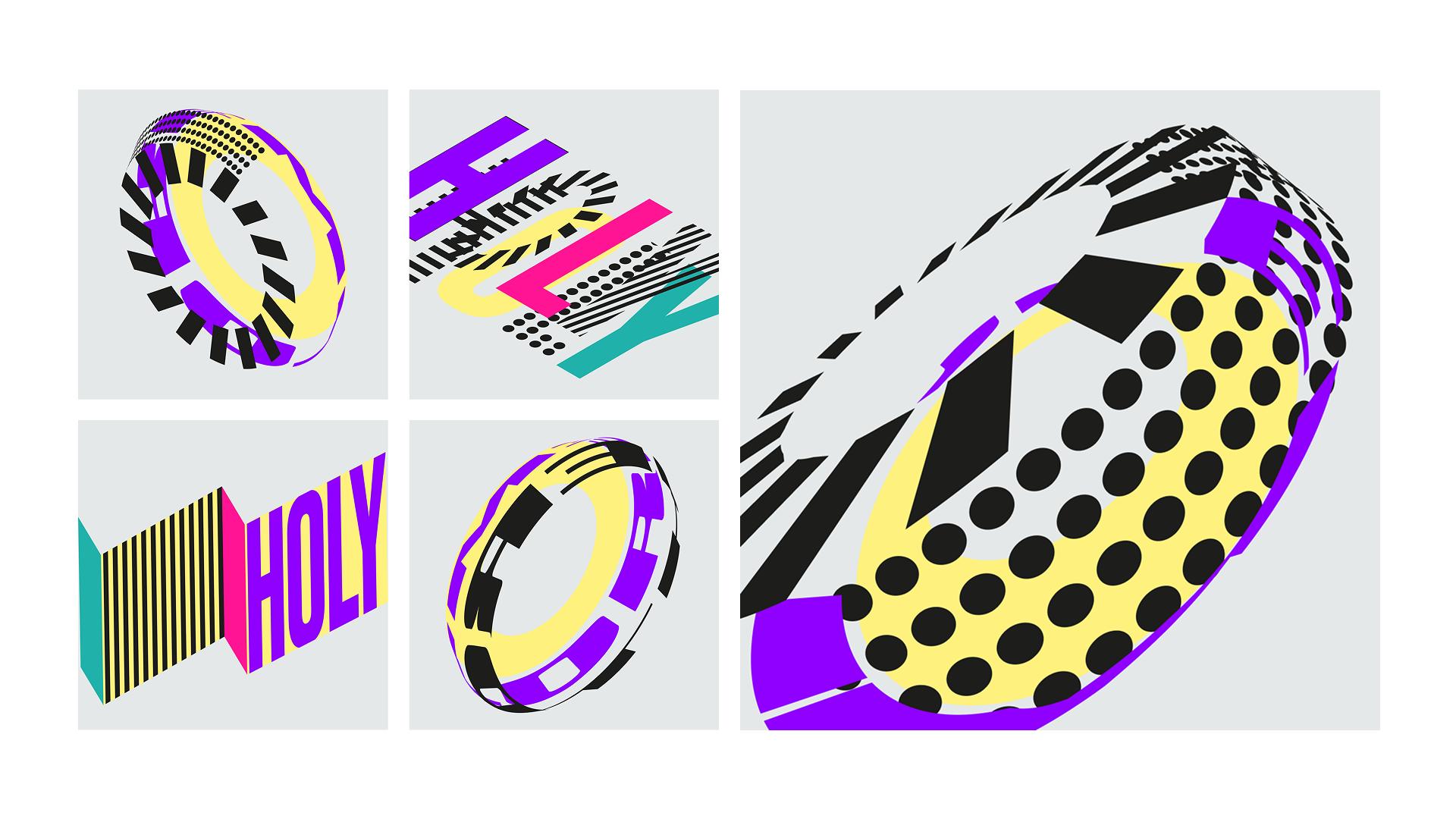
Who will be your teacher?

Ricardo Lodroño is a graphic designer and creative technologist working at the intersection of visual design, systems thinking, and code. His practice focuses on visual identities and brand systems conceived as flexible frameworks, combining strong graphic foundations with parametrization, component-based thinking, and rule-driven design.
With a background spanning graphic design, creative coding, and front-end development, Ricardo is particularly interested in how methodologies from software development –such as abstraction, reuse, and scalability– can inform contemporary graphic design workflows without losing expressiveness or visual intent.
Alongside professional practice, he is deeply engaged in research, self-directed learning, and teaching around flexible visual systems, design tools, and the evolving role of the hybrid designer.
Is this a course for you?
For whom is the course:
This course is for beginners and experts alike, welcoming students and professionals of all ages who are excited to play with design systems. It’s especially suited for graphic designers interested in brand systems, visual identities, and generative approaches; designers curious about systems thinking, parametrization, reuse, and rule-based design (without needing any coding background); and anyone eager to move from one-off deliverables to more systemic ways of designing. It’s also great for professionals with experience in print, editorial, or brand design who want to expand their practice into flexible, scalable systems, as well as designers who already know the basics of Figma but feel it’s mostly presented as a UI/product tool and are ready to use it in more experimental, playful ways.
What is required:
To get the most out of this course, you’ll need a computer that can run Figma smoothly (Mac or Windows), along with a stable internet connection and a Figma account (either Free or Professional). It’s helpful if you’ve already had some exposure to digital design tools, and a background in graphic design, visual communication, or a related field will make the learning curve feel more comfortable. You won’t need any coding knowledge at all—though we will gently introduce some basic ideas behind computational thinking in a conceptual, accessible way.
What will you learn:
In this course, you will learn what a visual system is and how it differs from isolated graphic pieces. You will discover how to apply the CAA Method to structure and expand a flexible visual language, and how to identify which design decisions should become parameters—such as color, scale, spacing, typography, and composition—and encode them using Figma variables.
You will be able to build reusable components and variants that function like a visual grammar, and design layouts that adapt through flexible, intrinsic behaviors rather than relying on fixed grids. You will use Figma as a bridge between graphic design and system-based thinking, gaining a clear methodology for creating scalable, adaptable visual identities through system-based design.
By the end of the course, you will have a working visual system and a transferable methodology you can confidently apply to future brand and identity projects—strengthening your professional toolkit and positioning you for more complex, system-oriented design roles.
Course Details
6 weeks
Weekly live sessions
2,5 hours each week, online, live & interactive, not pre-recorded
Small cohort
(10-15 participants) for real dialogue and feedback
Language
English
Tools
Figma, Google Meet
Assignments
between sessions
Recordings are generally not available.
We believe learning happens through presence and interaction, not passive watching.
Join the Deep Dive
799 € + VAT
Includes all live sessions, hands-on exercises, and digital course materials.
Save 150€!
Have you previously attended one of Ricardo’s workshops? If so, you are eligible for a 150€ discount on the Deep Dive course.
To claim your discount, please send us an email and ask for your personal discount code before booking.
Important: Discount codes cannot be applied retroactively. Please make sure to enter your code during checkout, as we cannot offer refunds for the discount amount after the booking is completed.
8 May – 12 June 2026
Dates
Friday, 8 May 2026
Friday, 15 May 2026
Friday, 22 May 2026
Friday, 29 May 2026
Friday, 5 June 2026
Friday, 12 June 2026
Time
15:00–17:30 CET
16 October – 20 November 2026
Dates
Friday, 16 October 2026
Friday, 23 October 2026
Friday, 30 October 2026
Friday, 6 November 2026
Friday, 13 November 2026
Friday, 20 November 2026
Time
15:00–17:30 CET
If you have any questions about the course, feel free to email us at franziska@schoolofsystems.org.
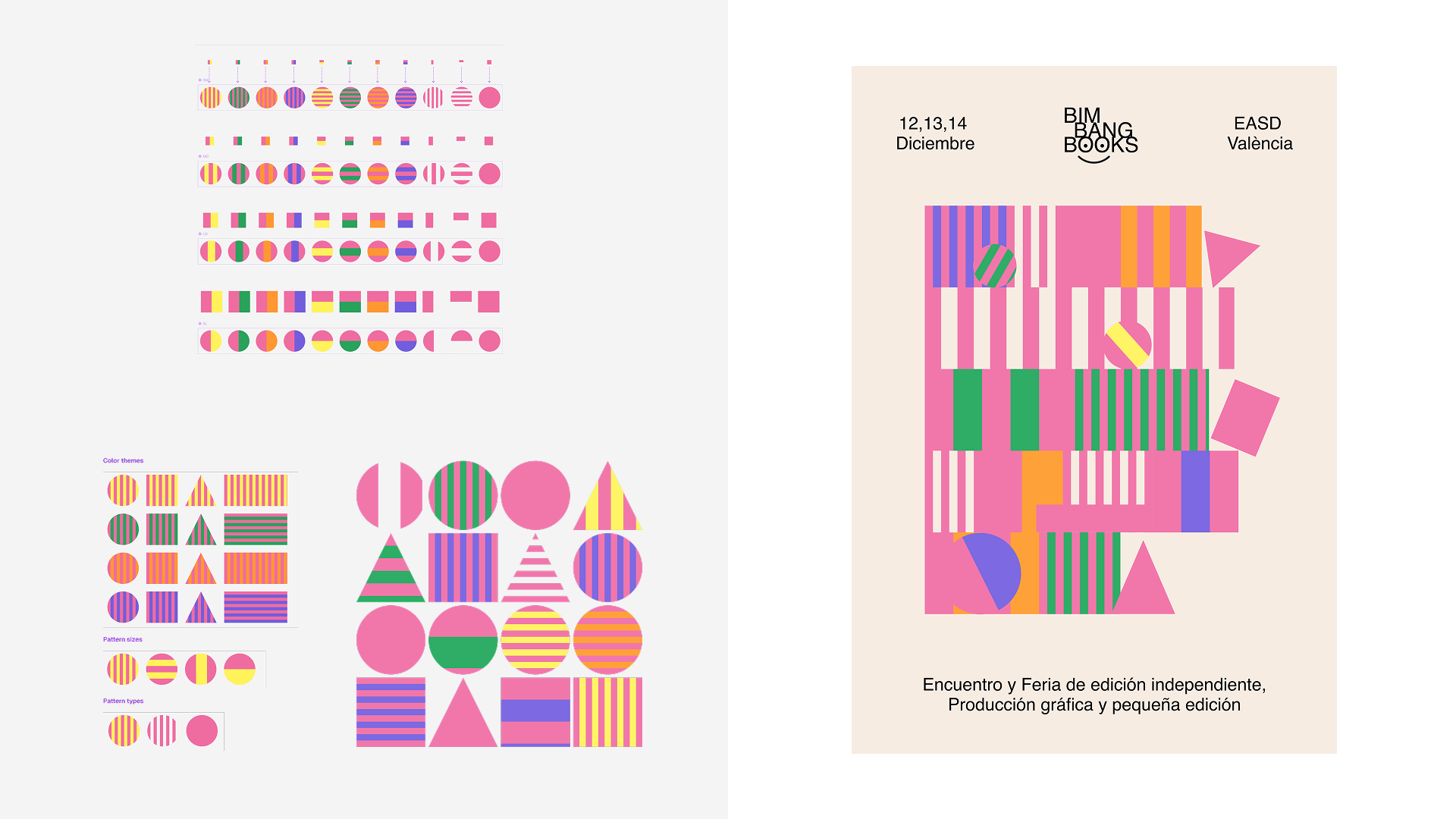
«Here’s just a small glimpse of what awaits you. Trust me, you’ll want to dive in. I’m looking forward to meeting you.»
Ricardo